E-Bike Motor Manufacturer: Three Electric System Guide
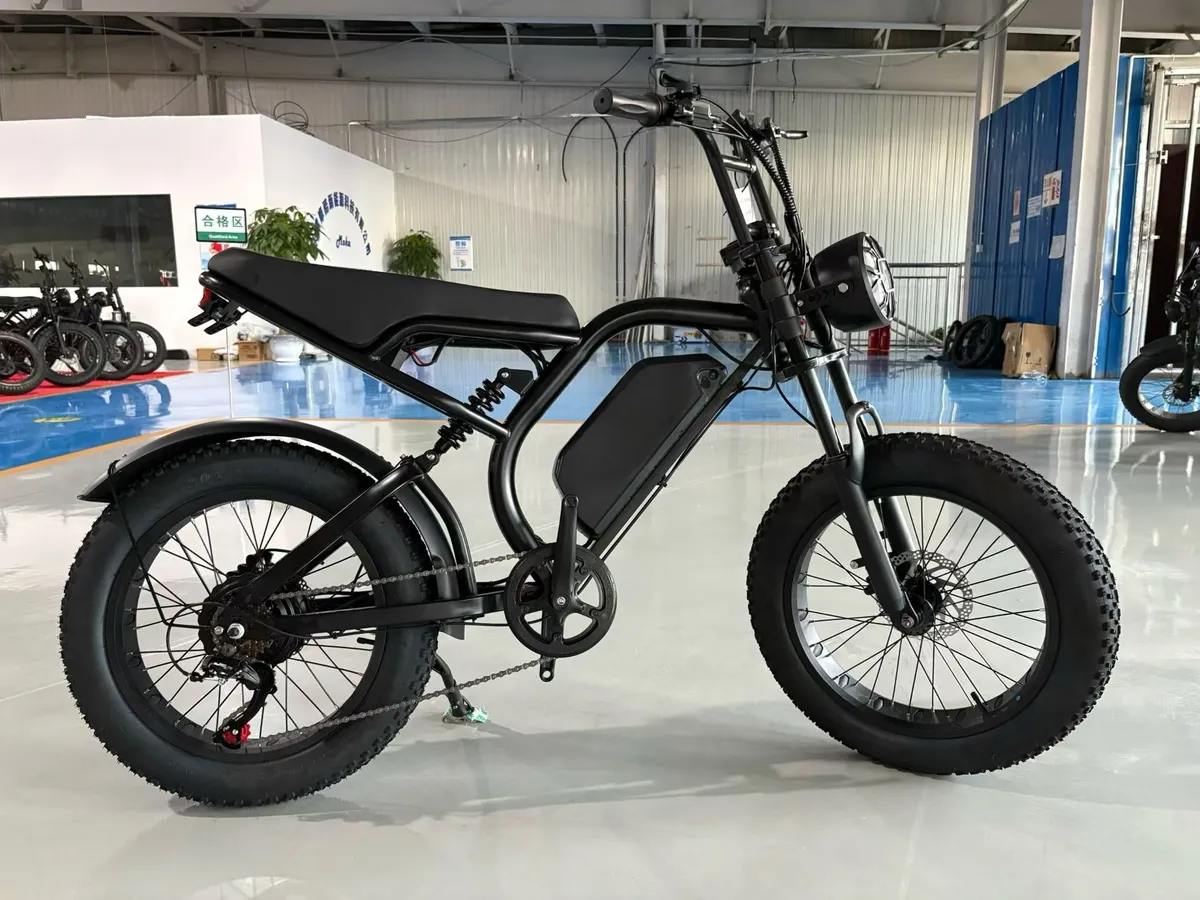
Why the Three Electric Parts Have to Be Specified Together
In our years of exporting complete e-bikes, the most common sourcing pattern is still this: get a quote from one motor supplier, a quote from one battery supplier, a quote from one controller supplier, squeeze all three prices, then bolt them together. The prototype runs fine. Three months into mass production, the problems arrive in a batch. The reason is simple — the three electric system is not a parts list, it is a set of relationships. The motor defines torque and pedaling feel, the lithium battery defines range and instantaneous current, and the controller decides how the first two work together. If any one of them is mismatched, the bike's reputation collapses at the after-sales desk.
What the Three Electric System Actually Contains
The industry term covers the e-bike motor, the lithium battery and the controller. But two parts that are easy to cut in a price negotiation really decide the riding experience: the battery management system and the display. The first guards the safety floor, the second is the interface the rider looks at every day. Put all five on one comparison sheet and check them item by item — that is worth more than squeezing a few cents off one component.
Motor: Mid-Drive or Hub
A mid-drive motor sits low, assists naturally and multiplies torque through the gears on a climb, which suits European city and mountain bikes. A hub motor is simpler, cheaper and easier to service, which suits commuters and shared fleets. On power, EN 15194 caps rated continuous output at 250 W with assistance cut-off at 25 km/h; the North American market commonly runs 500 W to 750 W. Torque decides the experience more than wattage: 40 to 50 N·m is enough for urban commuting, while cargo and sustained climbing want 60 to 80 N·m. When you read a spec sheet, confirm it is rated continuous power — not a peak figure that holds for ten seconds. As an e-bike motor manufacturer, we build the 250 W and 500 W versions on the same platform, so changing markets does not mean changing frames.
Lithium Battery: Cell Grade Decides Service Life
The battery usually accounts for more than thirty percent of the bike's cost and the largest share of after-sales cost. Three parameters must be answered clearly: cell brand and grade, meaning whether it is genuinely A-grade; the gap between nominal and usable capacity; and whether the discharge rate covers the controller's current limit. Common platforms are 36 V 10.4 Ah, 48 V 13 Ah and 48 V 17.5 Ah. Compliance is a hard gate: lithium batteries must pass UN 38.3 for transport, and entry into the EU also requires EN 50604-1. When qualifying an e-bike lithium battery supplier, insist on the cell datasheet, the UN 38.3 report and batch capacity consistency data — if one is missing, hold the purchase order.
Controller: Matching Beats Impressive Numbers
The controller is the brain of the bike. What matters is not how large the nominal current figure looks, but whether the current limit, the low-voltage cut-off and the assist curve line up with the motor and battery. A 48 V platform must run a 48 V motor and a 48 V pack; mixing them produces odd speed limiting at best and blown power stages at worst. Water resistance should be at least IPX4, and IPX6 for rainy markets. Harness and connectors also need one standard — ideally the harness, connectors and display protocol all come from the same e-bike controller manufacturer. One less connector variant at assembly is one less repair category in the field.
Battery Management System: The Safety Floor
The battery management system does four jobs — overcharge, over-discharge, over-current and temperature protection — plus cell balancing. Check three things when sourcing: whether protection is layered at both hardware and software level; how many temperature sensors there are and where they sit; and whether the communication protocol matches the controller and the display. Cheap designs often drop temperature sampling altogether, or fit a single probe for the whole pack. Under sustained high current in summer, that risk shows up directly in the return rate.
Display: The Interface the Rider Sees Every Day
The display is not an accessory; it is where after-sales complaints start. Confirm four points: the communication protocol is the same version as the controller, since serial and bus designs differ between revisions; the water resistance rating; harness length and connector style across different handlebars; and support for assist levels, battery percentage and fault codes. For Europe, also check front light integration and whether the speed limit can be locked in at the factory, so end users cannot unlock it themselves.
The Mismatches That Bite in Production
Ranked by the warranty cases that reach us, the top five are: mixed voltage platforms; battery discharge capability below the controller current limit; motor rated power not matching the controller's stated capability; display protocol version drift; and connectors that do not interchange between suppliers. None of these show up on a prototype, and all of them appear once volume ramps. Before shipment we run full-load bench tests, sustained high-temperature discharge tests and rain tests, precisely to trap these mismatches inside the factory instead of letting the customer pay the tuition in an overseas market.
Configuration Advice for Buyers
Fix the market first, then the numbers. EU urban commuting: 250 W mid-drive or hub motor with a 48 V 13 Ah pack, controller current limit one step above the motor's rated value, and a display in the local language. North American market: 500 W to 750 W hub motor with a 48 V 17.5 Ah pack, noting that state rules differ. Shared fleets: modular hub motors with quick-release batteries, one protocol across controller and display so operations can diagnose in batches. Before ordering, require a four-part matching sheet and test report covering motor, battery, controller and display. Send us your target market and bike parameters and we will return a complete configuration sheet and sample bike built around the whole system, or assemble to brands you nominate.