Urban Cycling Safety Tips: Helmet, Lane Position and Bike Theft Prevention
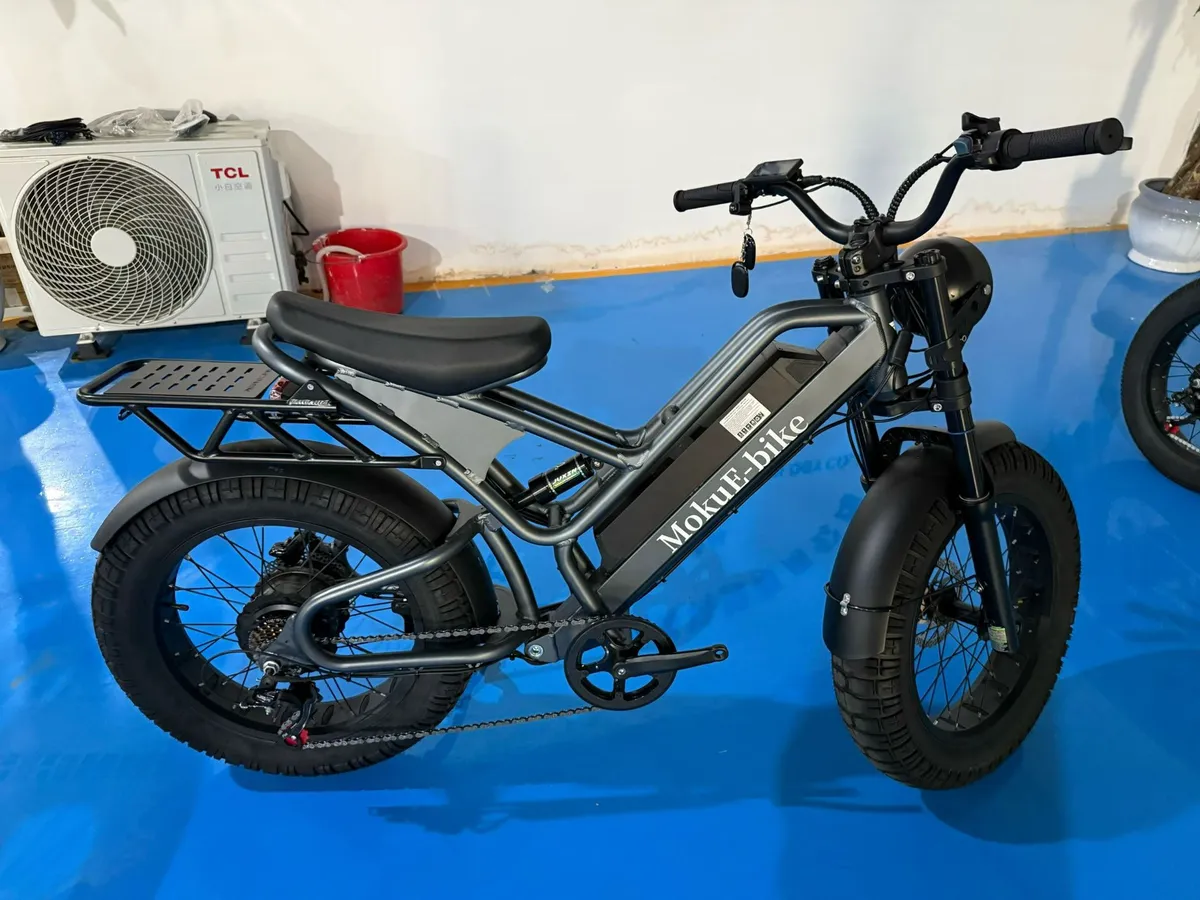
Why a Factory Writes About Urban Cycling Safety
After years of exporting city bikes and commuter bikes, the question we hear most from buyers is not about frame weight or price. It is: "this bike is going to a European city — how should we spec it so it is safe?" That is the right question. The risk in city riding is not speed, it is density. The same kilometre in a city asks the rider to process hundreds of decisions, and any single mistake is amplified by the traffic around you. This article covers the three things buyers overlook most — traffic safety, helmets and bike theft prevention — based on what we have learned building bikes, test riding them and following customers into their markets.
The Helmet: The One Item You Cannot Skip
A helmet is the highest-value safety item on any city bike. The EU market recognises EN 1078, and a helmet must pass that standard to be sold legally. Check three things when sourcing: fit, meaning the rear adjustment dial can actually be tightened down; strap length, so that after tightening you can still fit one finger under the chin strap; and the visor, where a visored model is more practical for commuting because it blocks rain and low-angle sun. Our advice for rental fleets is one helmet per bike, sanitised on return; for retail bikes it can be an optional add-on, but the manual must state that the bike is not to be ridden without a helmet. A helmet is not a decoration — a loose chin strap means you are not wearing one.
Make the Bike Safe First: Lights, Brakes and Reflectors
Many urban crashes are not the rider's fault; the bike simply cannot be seen. The basic trio for urban cycling is a front light, a rear light and reflectors. We recommend at least 40 lumens up front, and a rear light with both steady and flashing modes; reflective sidewall stripes, pedal reflectors and basket reflectors are low-cost, high-return spec items. On brakes, we generally push internal gear hubs with coaster brakes for city bikes — simple to maintain and reliable in rain. For e-assist models we recommend disc brakes front and rear, because once bike weight climbs, rim brakes fade badly in the wet. Fenders are not cosmetic: in rain they keep spray off your face and protect the chain and cassette. Within any bike safety package, lighting and reflectors are explicitly regulated for e-bikes under EN 15194, and every model bound for Europe has to be checked item by item.
Lane Position: Do Not Ride in the Gap
How to ride a bike in city traffic comes down to one sentence: be seen, and leave yourself room. First, do not hug the curb. Riding the edge puts you in the blind spot of every door that opens and every car that turns; the correct position is the rightmost quarter to third of the lane, so that a driver changing lanes has to go around you. Second, keep at least one metre from parked cars — the door zone. Third, do not squeeze up the right-hand gap at junctions: either follow the flow or merge into the lane early. Fourth, do not weave through pedestrians on the sidewalk, because people change direction more randomly than cars do, and hitting a pedestrian is still a crash.
Communicate With Drivers Through Position and SignalsSignal your turns with your hand — it is required by traffic law and it is the only thing that gives the car behind you two extra seconds to react. Shoulder-check before every lateral move to confirm nothing is closing fast. The right side of trucks and buses is an absolute no-go zone; their turning radius swallows that space entirely. Better to sit behind them and wait for the next green than to cross an intersection alongside them. Do not overtake a bus on its left while it is at a stop, because it can pull out and straighten at any moment. Holding one predictable line is safer than constant weaving.
Intersections: Where Most Crashes HappenJunctions account for the largest share of urban collisions. Four high-risk movements deserve constant repetition: the right-turn hook from a truck travelling the same direction, red-light running, the left cross, and a car pulling out of a parking space. The response is simple: shed speed before the junction, stop where the driver in front can see you, and lose three seconds rather than take one. At night, switch the light on early and take the centre of the lane instead of riding through shadow. Rider anticipation lowers traffic safety risk more than any piece of equipment.
Theft Prevention: What to Lock, Where to Lock, Where to Park
City bike theft prevention is less about how expensive the lock is and more about locking the right thing in the right place. First, use a U-lock or a heavy chain lock; a thin cable lock only stops opportunistic grabbing. Second, lock the frame plus the rear wheel to a fixed object — locking only the front wheel is handing someone a wheelset. Third, register the frame number: we stamp it at the bottom bracket and photograph it, and buyers can request a serial number list with each shipment, which is what police reports and second-hand tracing depend on. Fourth, parking location matters more than lock grade — a spot with CCTV, foot traffic and a fixed rail beats an isolated rail by a wide margin. Fifth, do not leave the bike outside overnight, not even for one night. In bike theft prevention, habit beats hardware.
Night and Rain: Riding When the Light Is Poor
The first rule of night riding is that being seen matters more than seeing. The front light illuminates the road, the rear light guarantees you are recognised from behind, and reflectors cover the blind angles. In rain, two things matter: wet braking distances stretch noticeably, so leave more following distance, and standing water and drain covers are hidden traps, so avoid riding the very edge of the lane. A slightly wider tire with a tread pattern is more stable on slick surfaces, which is one reason city bikes generally run 1.75 to 2.0 inch widths.