Electric Bike Manufacturer: Complete Guide to China E-Bike Factory
Factory Fundamentals
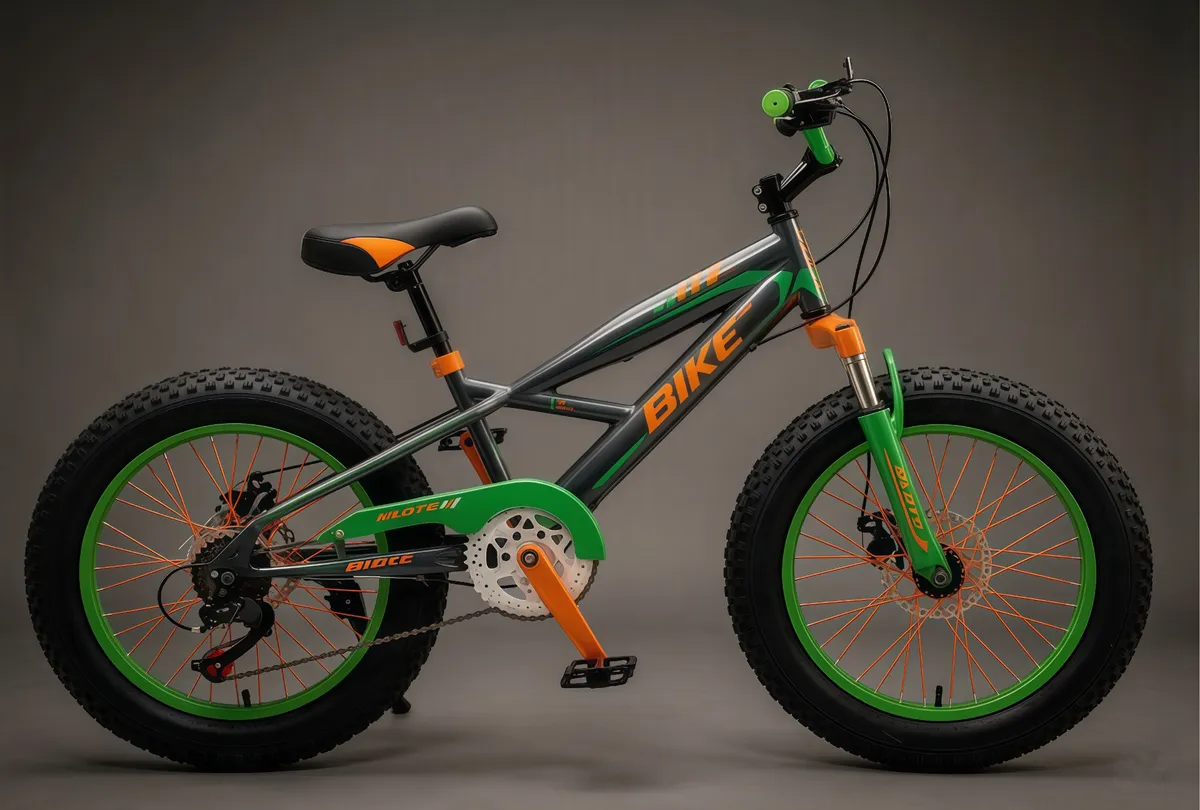
Tianjin Shengben, making e-bikes in Tianjin for over a decade. 15,000 square meters, 4 production lines, over 110 workers including 8 certified welders and 6 quality inspectors. Monthly production capacity valued at 1,000,000 RMB. As an electric bicycle factory in China, our 4 lines cover city bikes, mountain bikes, fat tire bikes, and folding bikes. Frames use 6061 aluminum with TIG welding, 10% weld inspection rate, stress-relief heat treatment, and powder coating at 80 to 100 microns. The factory is 25 km from Tianjin port — half a day from loading to dock, with 5x40HQ containers shipped daily.
In-House Battery Assembly
Many e-bike factories buy battery packs from external pack makers. We don't. Our batteries go from raw cells to finished packs entirely in our own workshop. 18650 cells are available from Samsung, LG, or domestic brands, all incoming cells are 100% tested for voltage and internal resistance, grouped within 0.02V and 5mOhm. Spot welding, BMS installation, potting, and 24-hour aging are all done in-house, with daily output of 2,000 packs and 100% self-sufficiency. This means we control our own battery supply chain without relying on third parties. UN38.3 test reports and MSDS are all on file, so customs clearance never gets held up. Battery warranty: 1 year, with 500 to 800 cell cycles.
OEM Manufacturing Process
As an e-bike OEM manufacturer, our process has five steps. Step one: requirement discussion, 1 to 3 days, understanding the target market, price range, and regulatory requirements. Step two: spec confirmation, 3 to 5 days, delivering a BOM and cost breakdown. Step three: sampling, 7 to 15 days to build a prototype. Step four: mass production, 20 to 35 days. Step five: inspection and shipping, full inspection with quality reports. Total cycle from first contact to shipment: 45 to 60 days under normal conditions. MOQ: 50 units per model, with mixed orders negotiable. Sampling fee: $500 to $2,000, refunded on production orders.
Pedelec Certification
As a pedelec manufacturer, certification is a hard threshold. All models for the European market undergo EN 15194 testing: 10,000-cycle frame fatigue, brake performance, electrical insulation, with a 97% first-pass rate. The 3% that fail typically have loose connectors or brake adjustment issues — fixed and retested the same day. Full CE certification. US exports meet CPSC compliance. Middle East market gets GCC certification. Battery UN38.3 and MSDS are standard export documents, shipped with every batch. These certifications aren't just labels — they're real test passes, and clients can visit the factory to observe the testing process and records.
Export Process
For China e-bike export, FOB Tianjin is our primary trade term. After the client places an order, we handle production through container loading. Customs documents include: commercial invoice, packing list, bill of lading, certificate of origin, UN38.3 report, MSDS, and CE certificate. Container quantities vary by model: 40HQ city bike 120 to 130 units, mountain bike 110 to 120, fat tire 80 to 90, folding bike 200 to 220. The factory is 25 km from the port, with half a day from loading to dock. Clients arrange their own freight forwarder for ocean shipping; we cooperate by providing packing data. Payment: 30% deposit, balance before shipment.
Wholesale Pricing
For e-bike supplier wholesale, pricing falls into several tiers. 250W city bike FOB Tianjin: $380 to $520. 500W mountain bike: $550 to $750. 500W fat tire: $650 to $880. 20-inch folding bike: $350 to $480. Pricing depends mainly on battery capacity, motor type, and paint requirements. Orders above 1,000 units get volume discounts. Warranty: frame 2 years, battery and motor 1 year. Spare parts stocked at 3% of order volume and shipped with the order. Technical issues resolved via remote video support, with on-site technician dispatch for urgent cases.
Motor Selection
As an electric bicycle supplier, motor selection is critical. Hub motors from 250W to 750W offer simple construction and lower cost, suited for city and commuter bikes. Mid-drive motors from 250W to 500W offer low center of gravity, better handling, and 15 to 20% higher climbing efficiency, suited for mountain bikes and premium models. We make both, matching to the client's target market regulations. European pedelec is capped at 250W nominal power, 25 km/h top speed, with pedal-assist only (no throttle). Most US states cap at 750W. Every motor undergoes a 30-minute full-load test before shipping, measuring temperature curves and torque degradation.
Supply Chain Advantage
Tianjin is a bicycle industry cluster, with tubing, cells, motors, and tire suppliers all within a 30 km radius. We work with five cell suppliers, three motor factories, and six tubing suppliers — if one is delayed, we transfer volume to another. Critical materials have a two-week safety stock, so production never stops for missing parts. This cluster effect means fast iteration — a client wants to change a motor model, we contact the supplier in the morning and have a sample on a test bike by the afternoon. In-house battery assembly is the core advantage: cells to packs all done in-house, with lead time and quality in our own hands.
Factory Audit
When choosing an e-bike OEM supplier, a factory audit is essential. You're welcome to visit our factory in Tianjin. What to look at? Four lines: the welding line for welder technique and weld quality, with heat treatment furnace temperature logs; the painting line for coating thickness and salt spray test equipment; the assembly line for the QC process and test ride area; and the battery workshop for cell testing and pack assembly. Then sit down to discuss specs and pricing. Tianjin airport to factory: 50 minutes — a same-day round trip works. If an in-person visit isn't possible, we provide production line videos and sample bike test videos, and we accept third-party audit reports.
Honest Advice on Choosing a Factory
Finally, some straight talk. When choosing an electric bike manufacturer, don't compare on price alone. A factory that's 15% cheaper is cutting corners on tube wall thickness, cell brand, BMS board, or paint thickness — savings in places you can't see. Don't focus solely on capacity either — large factories have many orders, and your small order may get deprioritized. The key is checking three things: is the battery assembled in-house (factories that buy external packs can't control battery quality)? Are certifications from real testing (not bought certificates)? Does the QC process include a road test for every bike? These three points matter more than any marketing claim.