Mountain Bike Supplier OEM: Complete B2B Guide
What Kind of Factory We Are
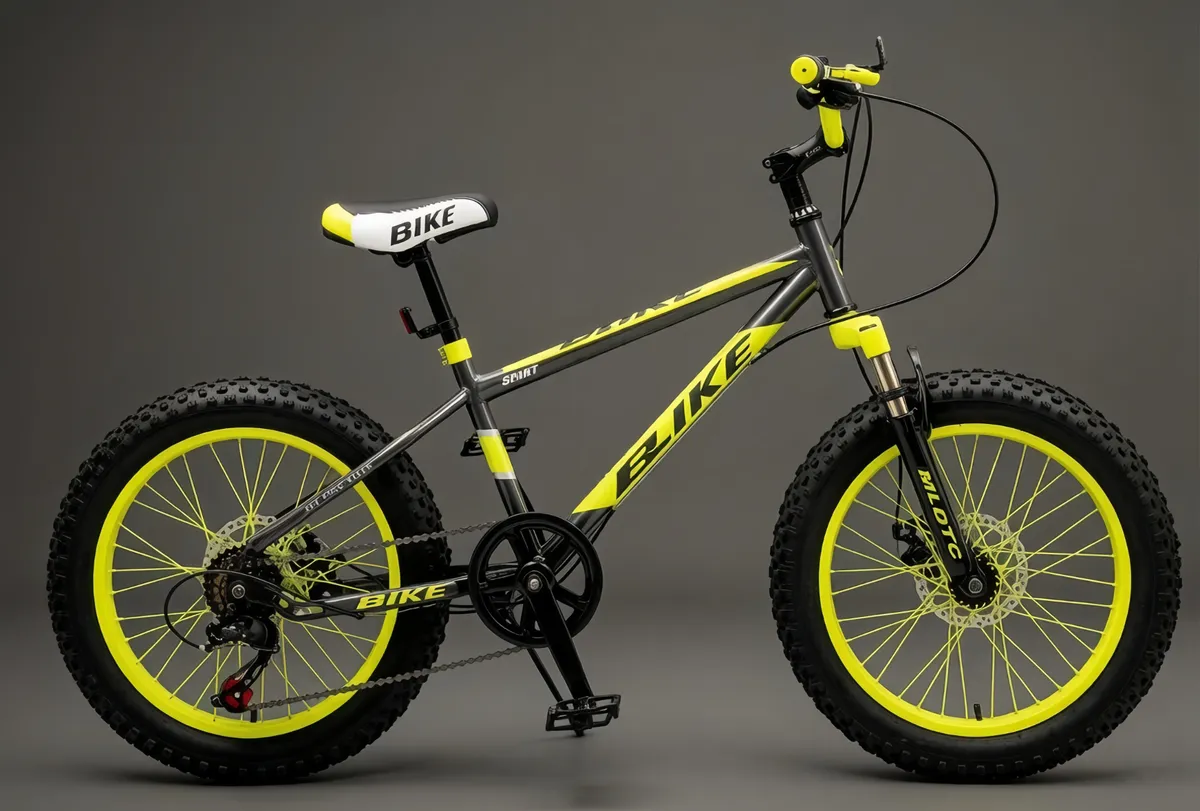
Tianjin Shengben, making mountain bikes in Tianjin for over a decade. 15,000 square meters, 4 production lines, over 110 workers including 8 certified welders and 6 quality inspectors. Monthly production capacity valued at 1,000,000 RMB. As an aluminum mountain bike manufacturer, our frames use 6061 aluminum with TIG welding, 10% weld inspection rate, stress-relief heat treatment, and powder coating at 80 to 100 microns. We make both hardtail and full suspension, 27.5 and 29 inch wheel sizes, 9 to 12 speed drivetrains, and hydraulic disc brakes from 180 to 203mm. The factory is in Tianjin, 25 km from Tianjin port — half a day from loading to dock.
OEM Cooperation Process
For MTB OEM, our process has five steps. Step one: requirement discussion, 1 to 3 days — the client provides drawings or a sample bike, we assess feasibility and confirm target market regulatory requirements. Step two: quote confirmation, 3 to 5 days — we deliver a BOM configuration sheet, cost breakdown, and production schedule. Step three: sampling, 7 to 15 days — we build a prototype, the client inspects and provides feedback, typically 1 to 2 revision rounds. Step four: mass production, 20 to 35 days depending on order volume. Step five: inspection and shipping — full inspection with quality reports, FOB Tianjin port container loading. Total cycle from first contact to shipment: 40 to 55 days under normal conditions.
Frame Production Capabilities
As a mountain bike factory, the frame is the core product. 6061 aluminum tubes are cut and TIG-welded by 8 welders with an average of 6+ years experience. Weld appearance is 100% inspected, with 10% sampled for X-ray flaw detection. After welding, frames undergo T6 heat treatment: 535-degree solution treatment for 2 hours, water quench, then 175-degree artificial aging for 8 hours to relieve internal stress and ensure strength. Finished frames undergo geometric inspection: head tube angle tolerance plus or minus 0.5 degrees, chain stay length tolerance plus or minus 1.5mm, BB height tolerance plus or minus 2mm. Powder coating thickness 80 to 100 microns, with 48-hour salt spray test showing no corrosion. We can also do carbon frames, but aluminum accounts for 70% of our output — clients want value and durability.
Quality Control System
Incoming materials are inspected weekly — tubing hardness, wall thickness, and composition all checked, with a 1.2% defect rate. Any batch exceeding 3% is returned. Each welding line has 1 inspector checking weld appearance and dimensions. Post-painting, cross-hatch and salt spray tests are conducted. The assembly line has 6 inline inspectors, and every bike undergoes three checks before shipping: wheel tension calibration, brake adjustment, and a test ride to check for noise. Three units per batch are retained for traceability. Frame fatigue testing at 10,000 cycles, with a 97% first-pass rate. The 3% that fail typically have weld porosity or heat treatment temperature deviation — reworked and retested the same day. CE certification and EN standard testing are all in place.
Supply Chain and Capacity
Being a China MTB manufacturer comes with supply chain advantages. Within 30 km of Tianjin: 6 tubing suppliers, 3 drivetrain distributors, 4 tire factories, and 5 wheel builders. If one is delayed, we switch to another. Critical materials have a two-week safety stock. This cluster effect means fast iteration — a client wants to change drivetrain brand, we contact the distributor in the morning and have a sample on a test bike by the afternoon. Monthly capacity valued at 1,000,000 RMB, expandable to 1,200,000 in peak season. We ship 5x40HQ containers daily, 7 in peak season. Lines are flexible — one line can run 2 to 3 models simultaneously, so small batches get scheduled too.
Wholesale Pricing Tiers
For mountain bike wholesale, pricing falls into several tiers. Entry hardtail aluminum frame, Shimano Tourney 7-speed, mechanical disc brakes, FOB Tianjin: $180 to $250. Mid-range hardtail, Shimano Altus 9-speed, hydraulic disc brakes, FOB: $280 to $380. Mid-high hardtail, Shimano Deore 10 to 12-speed, FOB: $380 to $520. Full suspension with air shock, FOB: $550 to $880. Orders above 1,000 units get volume discounts, with further negotiation above 2,000. Payment: 30% deposit, balance before shipment. Warranty: frame 2 years, drivetrain and brakes 1 year. Spare parts stocked at 3% of order volume, shipped with the order.
OEM vs ODM
Among mountain bike manufacturers in China, the OEM vs ODM distinction matters. OEM means you provide drawings and we build to spec — suited for brands with their own design teams. ODM means we propose designs and you choose — suited for clients who want their own brand but lack design capability. We do both. ODM sampling fee: $500 to $2,000, refunded on production orders. OEM has no sampling fee, but the client must provide complete drawings and technical specs. Either way, IP belongs to the client — we don't keep or sell it to anyone else, and this goes in the contract.
Factory Audit
When choosing an MTB supplier, factory audits matter. You're welcome to visit our factory in Tianjin. What to look at? Three lines suffice. First, the welding line — watch welder technique and weld quality, check heat treatment furnace temperature logs. Second, the painting line — check coating thickness and salt spray test equipment. Third, the assembly line — observe the QC process and test ride area. Then sit down to discuss specs and pricing. Tianjin airport to factory is 50 minutes — a same-day round trip is feasible. If an in-person visit isn't possible, we provide production line videos and sample bike test videos, and we accept third-party audit reports.
Honest Advice on Choosing a Supplier
Finally, some straight talk. When choosing an OEM supplier, don't compare on price alone. A factory that's 15% cheaper is usually cutting corners on tube wall thickness, weld quality, or paint thickness — savings in places you can't see, with problems showing up after three months of riding. Don't focus solely on capacity either — large factories have many orders, and your small order may get deprioritized, delaying delivery. Mid-sized factories are often the better fit: enough volume to schedule production, controllable lead times, and direct communication. Our scale of 110+ workers sits right in that sweet spot — we take large orders and also welcome small ones, and clients talk directly with factory management, no three layers of middlemen.