BMX Freecoaster vs Cassette: Which Is Better
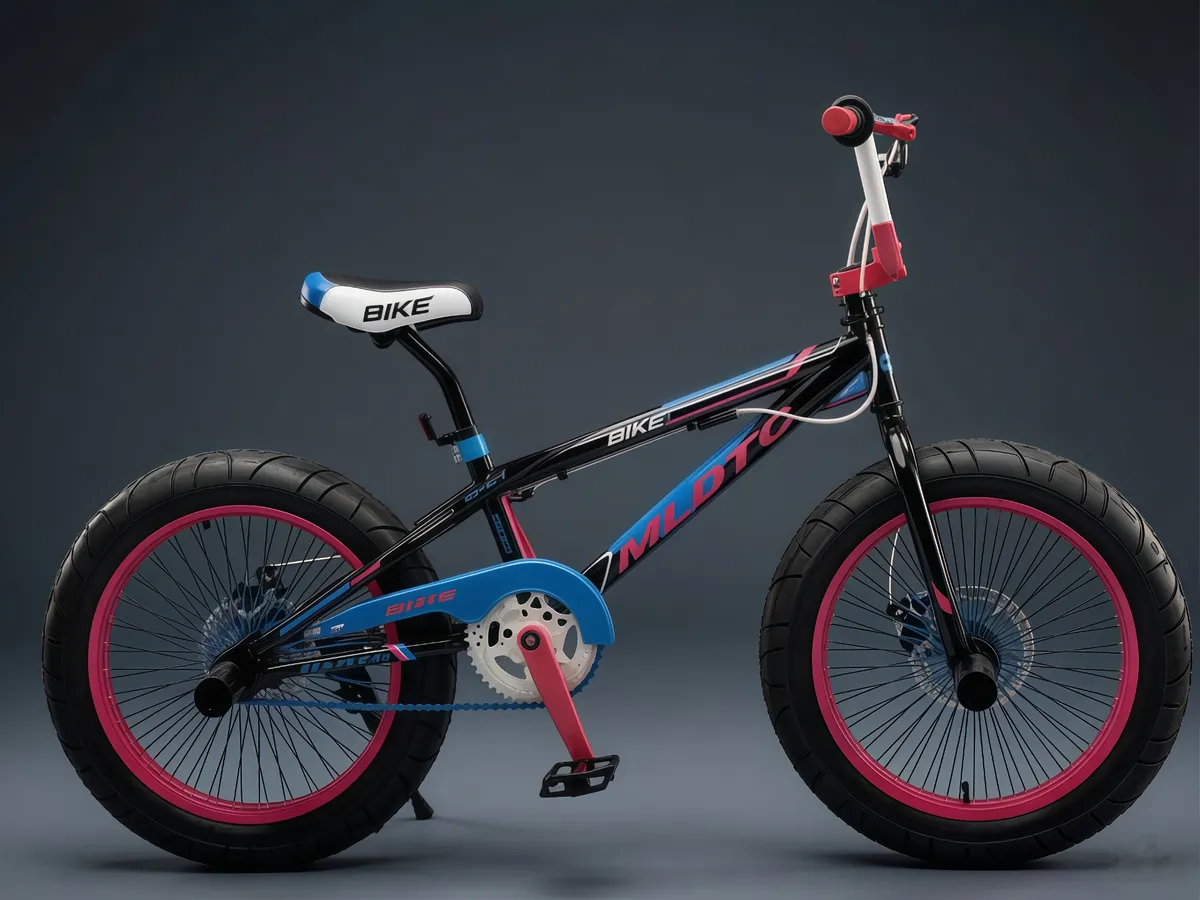
How Each Hub Works
Cassette is the most common BMX rear hub, using a pawl-and-ratchet mechanism. Forward pedaling drives the wheel; backward pedaling causes the pawls to click over the ratchet ring, producing that "click-click-click" sound — the rear wheel keeps spinning forward while the pedals spin backward freely. Simply put: you pedal backward, the pedals have resistance but the wheel keeps going forward. Freecoaster (also called coaster hub) works differently — an internal clutch disengages when you pedal backward, so the wheel can roll backward freely without the pedals turning. This difference determines which riding style each hub suits.
Freecoaster Advantages
One word: backward pedaling. With a freecoaster, pedaling backward doesn't turn the pedals, so when you do Fakies (riding backward) and 180s into fakies, you don't need to worry about pedal position — just pedal backward freely. For street BMX riders doing 180s, 360s into fakies, and fakie manuals, a freecoaster is essentially standard. Without it, the pedals hit your shins during fakies, making tricks impossible to land cleanly. At our factory, we machine the freecoaster clutch engagement to 3 to 5 degrees of backlash, giving fast pedal response and smooth fakies without catching.
Cassette Advantages
Cassette is lighter, simpler, and more durable. At the same price point, cassette is 200 to 300 grams lighter than freecoaster because there's no clutch mechanism. Simpler construction means lower failure rate and easier maintenance. Cassette also has higher pedaling efficiency — power transfer is more direct. Race BMX and park riders use cassette because they don't need to ride fakie. Park riders launching airs in bowls and on spines need instant acceleration on landing, and cassette's immediate response is a beat faster than freecoaster. Choosing your BMX hub comes down to this: if you fakie, go freecoaster; if you don't, go cassette.
How to Choose
If your riding leans street — Fakies, 180-into-fakie, fakie manuals — get a freecoaster, no hesitation. If you ride mainly park, doing airs in bowls and spines, or you're a race BMX rider, cassette is the better fit. There's a third scenario: you're just starting out and don't know what you prefer yet — choose cassette. It's cheaper, lighter, and easier to maintain. After six months when you've figured out your direction, switch to freecoaster if needed. Swapping hubs doesn't mean buying new wheels — we can relace the rear wheel with a new hub, and our factory charges a reasonable fee for hand lacing.
Tire Width Guide
The BMX tire width guide is straightforward: street wider, park medium, race narrowest. Street uses 2.3 to 2.4 inch wide tires at low pressure (40 to 50 PSI) for grip and stable landings, but higher rolling resistance. Park uses 2.1 to 2.25 inch medium-wide tires at moderate pressure (60 to 80 PSI), balancing grip and rolling speed. Race uses 1.75 to 2.0 inch narrow tires at high pressure (80 to 110 PSI) for the lowest rolling resistance. Tread patterns also split into three types: street uses dense tread for all-surface grip, park uses slick or semi-slick to reduce rolling resistance, race uses semi-slick with lightweight sidewalls. For beginners, front and rear 2.2 to 2.3 inch with street tread is the most versatile setup.
Pegs: Street vs Park
BMX pegs street vs park differs mainly in material and diameter. Street pegs are typically steel or alloy steel, 35 to 36mm diameter, thick-walled and wear-resistant, because street riding grinds on concrete ledges and steel handrails — less durable pegs are destroyed in a week. Park pegs are generally aluminum or titanium, 38 to 39mm diameter, thin-walled and lightweight, because park grinds on wood or metal coping with minimal wear. Steel pegs are heavy but cheap, $20 to $30 a pair. Alloy pegs are light but pricier, $40 to $60 a pair. Our factory completes come with steel pegs standard; alloy peg upgrades are available as options.
Our Hub Production
Tianjin Shengben has 4 production lines, one dedicated to BMX. We make both freecoaster and cassette hubs in-house, not outsourced. Freecoaster clutch components use 20CrMnTi carburized steel, hardened to HRC 58 to 62, rated for over 2,000 hours of use. Cassette ratchet rings use 45# steel with high-frequency induction hardening, pawls use spring steel, with engagement gap under 3 degrees. Every hub undergoes three tests before shipping: backlash test, noise test, and 500-revolution no-load break-in. Monthly production capacity valued at 1,000,000 RMB. MOQ 50 units. Freecoaster complete FOB Tianjin: $230 to $280. Cassette complete: $200 to $240. The price difference comes down to hub cost.