Complete BMX Bike Review: Best Entry Level Bikes
Entry Complete Bike Tiers
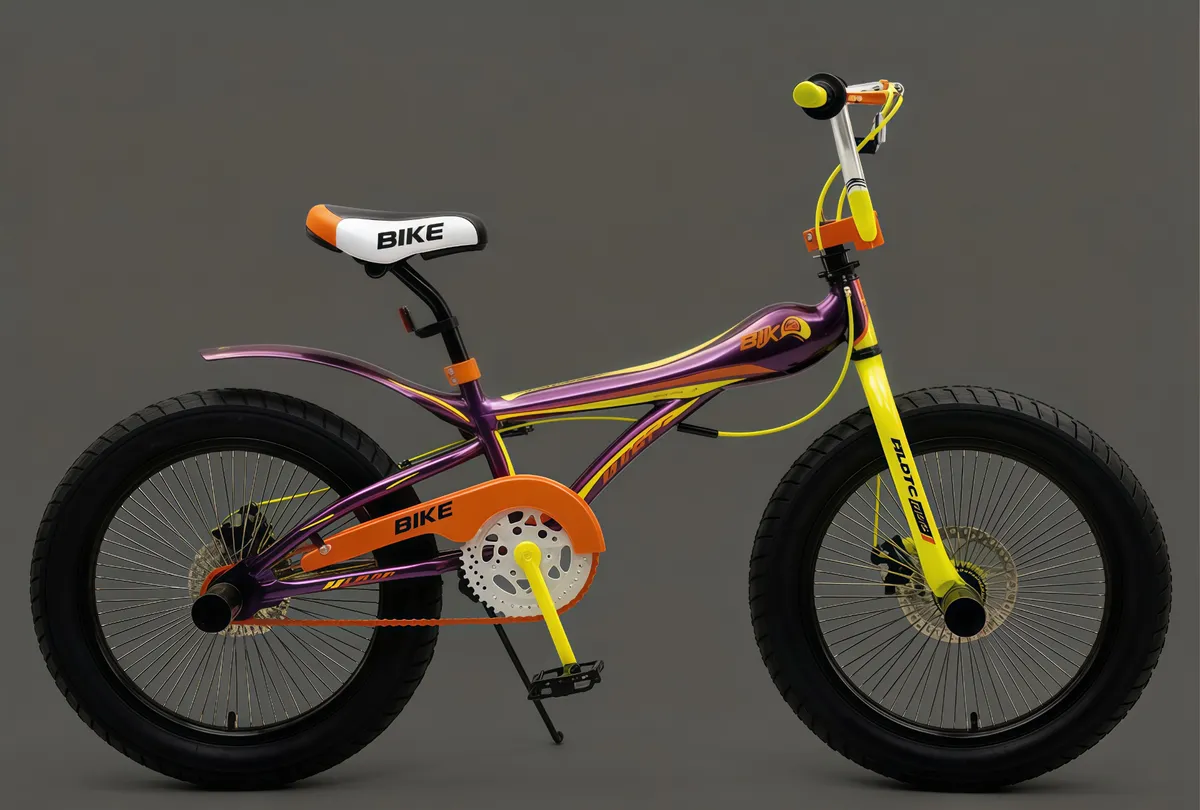
Complete bike options fall roughly into three tiers. First tier: supermarket bikes under $100, all hi-tensile steel frames, the cheapest possible components, weighing 13 kg or more. Fine for kids messing around, not for actually learning tricks. Second tier: entry-level brand bikes, $180 to $250, frames with at least some 4130 chromoly, sealed bearing hubs, weighing 11 to 12 kg. This is the sweet spot for serious beginners. Third tier: mid-range completes, $280 to $350, full chromoly frames, three-piece forged cranks, sealed bearings throughout, weighing 9 to 10 kg. These can take you to intermediate level. For a beginner BMX, start at the second tier. A cheap supermarket bike will kill your motivation.
What to Check on a 20 Inch Freestyle BMX
A 20 inch BMX freestyle bike is the most popular choice for street and park. Five things matter most. First, frame material. It needs 4130 chromoly, at least on the head tube and chain stays — full chromoly is better. Hi-tensile steel is heavy, rust-prone, and bends after a few hard crashes. Second, hubs. Front and rear sealed bearing hubs are the baseline. Unsealed bearings seize up when they get wet and start wobbling within six months. Third, cranks. Three-piece is stronger than one-piece, and forged is more durable than cast. Fourth, tires. Street riding needs at least 2.2 inch width with tight tread patterns for grip. Fifth, brakes. U-brakes have more stopping power than V-brakes but are trickier to adjust; V-brakes work fine for beginners.
Our Factory Entry Complete Build
After years building BMX, we've refined our entry full bike spec through trial and error. Frame uses 4130 chromoly on the down tube and seat stays, hi-tensile on the rest, size M with 20.5 inch top tube. Fork is 1-1/8 inch threadless with chromoly legs. Hubs: sealed front, unsealed rear — we keep cost down while putting the better bearing where stress is highest. Cranks are three-piece forged 170mm, gear ratio 25-9, the classic BMX short drive ratio. Handlebars: 8 inch rise, 29 inch width, street standard. Seat post: 25.4mm clamp style with lightweight BMX saddle. Tires: 2.3 inch front, 2.2 inch rear, street tread pattern. Complete weight: 11.5 kg. FOB Tianjin: $200 to $230. This spec handles Bunny Hops, 180s, and Manuals no problem, and the frame holds up to a year and a half of hard riding.
Common Pitfalls
From all the BMX review work we see, four pitfalls come up most. First, chasing weight without checking material — some bikes claim light weight by thinning out seat posts and bars, which bend on the first hard crash. Second, buying by color and decals alone — beginners go for looks first, then regret the poor spec three months later. Third, trusting "full chromoly" marketing claims — some brands say full chromoly but only use it on a few tubes. Always ask which tubes are chromoly. Fourth, buying too cheap — BMX bikes under $100 often have weld inclusions, bushings instead of bearings, and recycled rubber tires. They are not safe for actual trick riding.
Complete vs Custom Build
Beginners often ask whether to buy a complete or build their own. At entry level, complete is definitely better value. Building an entry-level bike from parts costs 30% to 50% more than a complete, because complete factories buy components in volume. Plus you get a warranty. Ride for a year, figure out whether you prefer street or park, and what level you're at, then build a custom bike that fits your style. That's when the money is well spent. At mid-range and above, the price gap between complete and custom narrows.
Factory Production and MOQ
Tianjin Shengben has 4 production lines, one dedicated to BMX. Complete BMX bike monthly production capacity is valued at 1,000,000 RMB, from entry to high-end. Before shipping, every bike goes through three quality checks: wheel tension calibration, brake adjustment, and a test ride to check for noise. Frame welds are sampled at 10% rate, with critical welds 100% inspected. Customers can customize colors, decals, tire brands, and hub types — even in small quantities. MOQ is 50 units per model, with mixed colors possible. Sampling takes 7 to 10 days, mass production 25 to 30 days. For brand customers, we also advise on spec strategy — what components sell best at what price point.