How to Choose a BMX Bike: Size & Buying Guide
How BMX Sizing Works
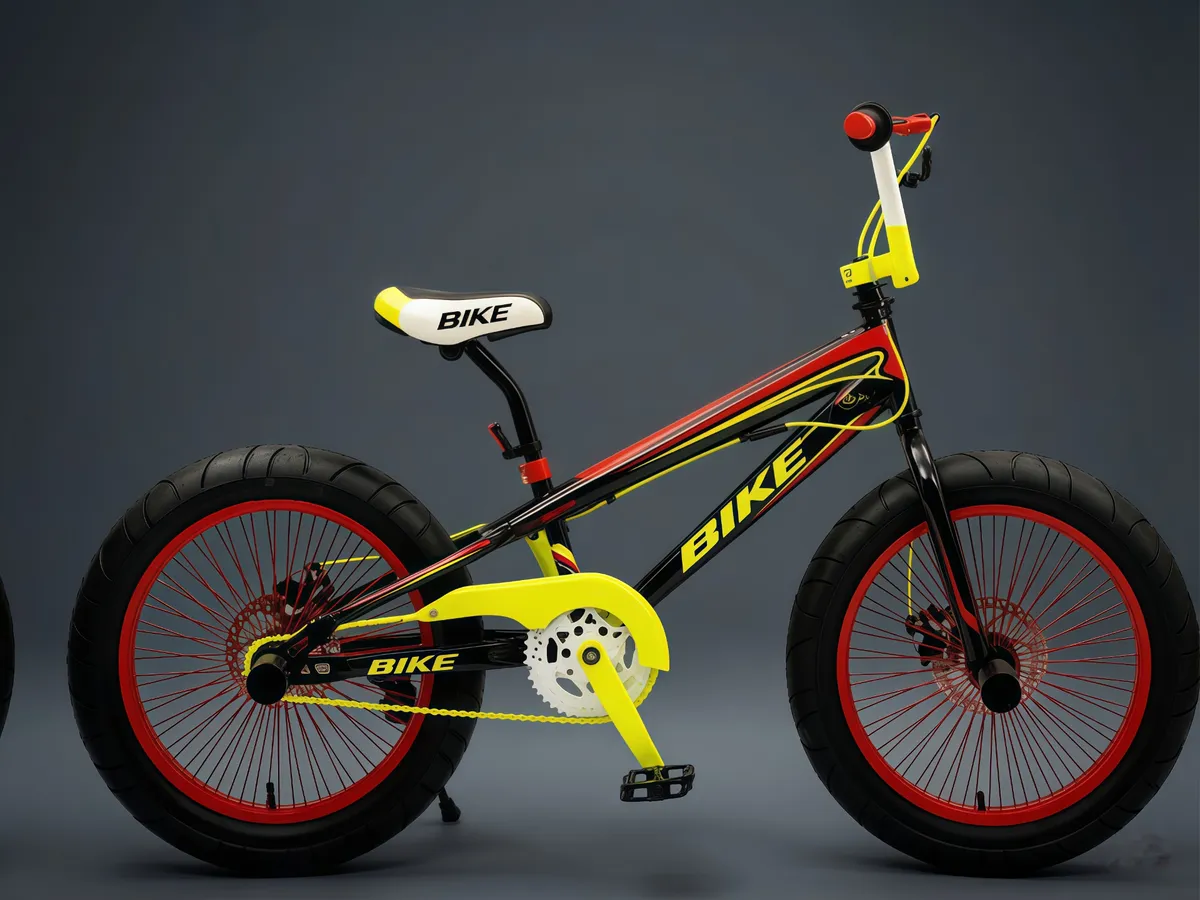
BMX sizing follows rider height, and the key measurement is top tube length. Riders 120 to 140 cm tall need an 18 to 19.5 inch top tube, 20-inch wheels with short cranks — suited for ages 8 to 12. Riders 140 to 160 cm take 19.5 to 20.5 inches, 20-inch wheels, for ages 12 to 16. Riders 160 to 175 cm go with 20.5 to 21 inches, 20-inch wheels — the standard adult size. Riders 175 cm and above need 21 to 22 inches, 20-inch wheels — the Pro XL size. Each inch of top tube means one frame size up, going from compact to stretched riding position. Wrong size means either cramped or overreaching — either way, tricks become impossible.
Why Top Tube Length Matters
Top tube length determines your stance on the bike. Flatland riding needs a short top tube, 18 to 19.5 inches, for easy weight shifting. Street and Park riding use 20.5 to 21.5 inches, balancing agility and stability. Race uses 21.5 to 22 inches, prioritizing straight-line speed. BMX fit is easy to check: ride a lap and feel it — standing without knee overlap, reaching the pedals comfortably, arms naturally bent on the grips. That's the right fit.
Weight Comparison
BMX weight varies significantly. Entry-level complete bikes weigh 11 to 13 kg, using hi-tensile steel frames and thick components — durable but heavy. Mid-range bikes come in at 9 to 11 kg, with chromoly frames and lighter parts. High-end builds weigh 8 to 9 kg, using full 4130 chromoly, sealed bearing hubs, and forged cranks. For BMX bike weight comparison: a 1 kg difference is very noticeable; Bunny Hops and 360s take more effort. Beginners shouldn't chase light weight right away — learn the tricks first, then upgrade to lighter components once technique is solid.
For Beginners
For BMX bike for beginners, three key points. First, don't buy too expensive a starter bike. A complete bike in the $120 to $200 range is enough to learn fundamentals, and crashes won't hurt as much. Second, choose chromoly over hi-tensile steel. Chromoly is lighter, stronger, and welds better; hi-tensile is heavy and prone to rust. Third, stick with 20-inch wheels — the standard size. Don't go for 24 or 26 inch cruisers; those are for big riders cruising casually. New riders should aim for a 20.5 to 21 inch top tube, 170mm cranks, and the classic 44/16 gear ratio — the most versatile setup. Start with front and rear V-brakes; remove the front brake after learning Bunny Hops and Manuals.
Frame and Components
For frames, look at material and welding. 4130 chromoly is the standard — welds should be even with no inclusions. For forks, check leg length and offset: smaller offset means quicker steering, larger offset means more straight-line stability. For wheels, look at hubs: unsealed bearings are cheap but rust when wet; sealed bearings cost more but are maintenance-free. For cranks, check length and material: 170mm three-piece forged cranks are standard; two-piece suits street. For tires, check width and pressure: street uses 2.2 to 2.4 inch wide tires at low pressure for grip; racing uses 1.75 to 2.0 inch narrow tires at high pressure for low rolling resistance.
Common Buying Mistakes
First, buying by age instead of height — a 10 cm height difference at the same age means a different size. Second, chasing light weight — beginners without proper technique actually struggle more on lighter bikes. Third, buying the cheapest all-hi-tensile bike — so heavy it kills the fun. Fourth, ignoring top tube length — only checking wheel size and color, then finding the frame too big or too small. Fifth, skipping the test ride — the most practical BMX buying guide tip: stand over it, and your body will tell you if it fits.
Our BMX Production
Tianjin Shengben has 4 production lines, one dedicated to BMX. Frames use 4130 chromoly steel, TIG welding, 10% weld inspection rate, and stress-relief heat treatment. Complete bike weights range from entry-level 11 kg to high-end 8.5 kg. Our BMX size chart has four tiers: size S with 18 to 19.5 inch top tube, size M with 19.5 to 20.5 inches, size L with 20.5 to 21 inches, and size XL with 21 to 22 inches. Monthly production capacity valued at 1,000,000 RMB. FOB Tianjin pricing: entry complete $180 to $250, mid-range $280 to $350. MOQ 50 units. Colors and decals customized to client brand.