Aluminum vs Carbon Fiber Mountain Bike Frame: Factory Comparison
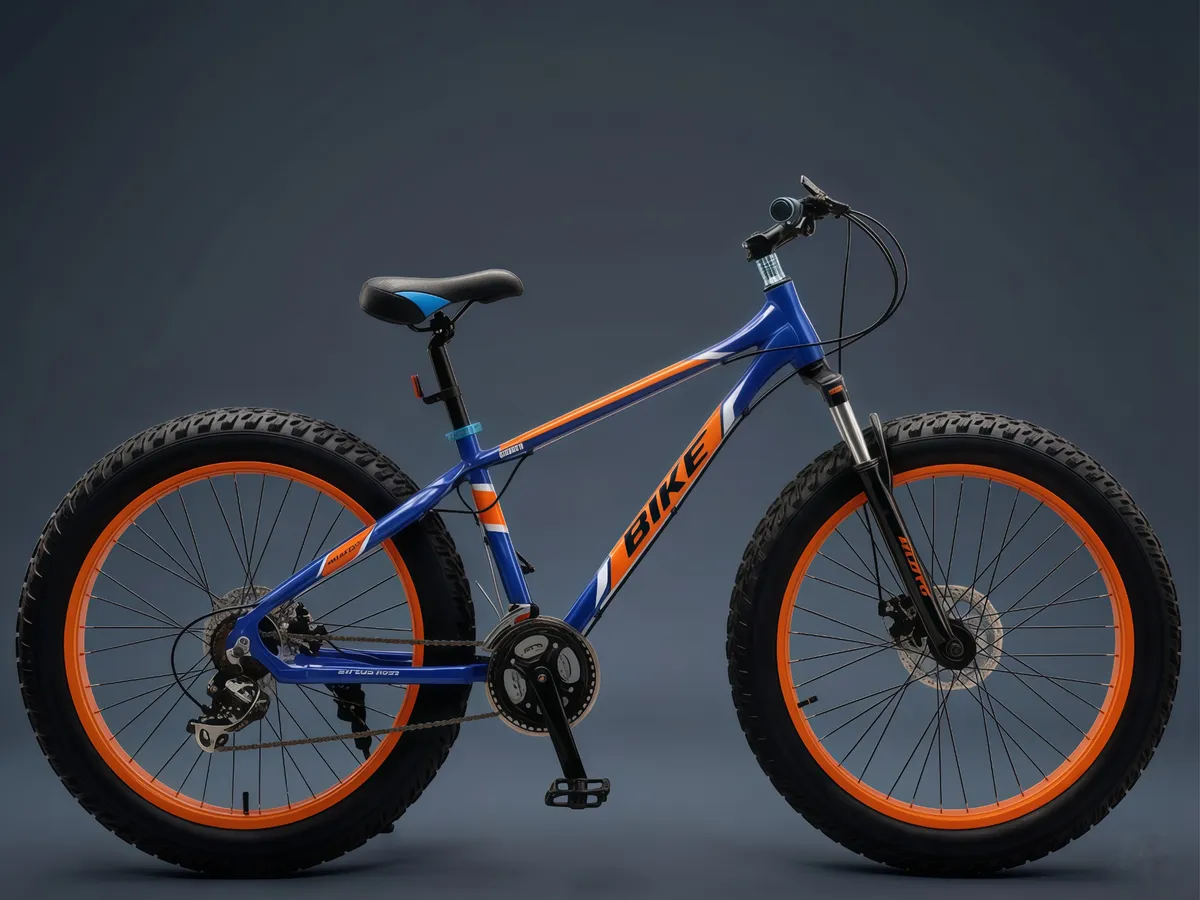
Weight Difference
Frame weight is carbon's biggest advantage. Our 6061 aluminum frame in size M hardtail weighs 1.8 to 2.2 kg. The same geometry in carbon comes in at 1.2 to 1.6 kg — that's 600 grams to 1 kg lighter. Full suspension frames show an even bigger gap: aluminum 2.5 to 3 kg, carbon 1.8 to 2.3 kg, saving 700 grams to 1.2 kg. Those grams add up on climbs. That said, frame weight is only part of the equation — wheels, handlebars, and seatposts offer more total weight savings.
Durability
When it comes to frame durability, each material has its character. Aluminum suffers metal fatigue — strength degrades under repeated stress over time — but it gives visible warning by bending before breaking. Carbon fiber doesn't fatigue; long-term strength stays consistent. But it's vulnerable to impact damage: a hard crash against a rock can cause delamination, and internal cracks may not be visible. We've tested this: aluminum frames survive three 1.5m drops with bending but no cracking; carbon delaminates on the first drop from the same height. Under normal riding, both last 5 to 8 years or more. Ride hard and crash often? Aluminum is more forgiving. Ride clean on roads and take care of your gear? Carbon lasts longer.
Ride Feel
Carbon fiber absorbs vibration well, filtering out road buzz so long rides feel less tiring. Aluminum transmits road feel directly — bump feedback is crisp and handling feels more responsive. Racers tend to prefer carbon's vibration damping and stiffness, while recreational riders often enjoy aluminum's direct feedback. A well-designed alloy frame has solid pedaling stiffness too. At mid-range price points especially, the performance gap between good aluminum and entry-level carbon is smaller than most people think.
Price Difference
The price gap is significant. A 6061 aluminum frame costs $80 to $150; a comparable carbon frame runs $250 to $500 — two to three times more. At the complete bike level, an entry hardtail from an aluminum mountain bike manufacturer goes for $300 to $500 FOB, while the same bike with a carbon frame costs $700 to $1,200. On a tight budget, aluminum makes sense — you're better off spending the extra money on brakes and drivetrain. Go carbon only when light weight is your top priority and budget allows.
Repair and Warranty
Dent an aluminum frame and you can often straighten it; weld a crack and keep riding. Crack a carbon frame and it's essentially unrepairable — you need a new frame. At our factory, aluminum frames come with a two-year warranty and carbon frames with a three-year warranty. But carbon frame issues almost always mean full frame replacement, which drives up after-sales cost. Another point: carbon frames are sensitive to clamping torque — overtightening seatposts or stems can crush the frame. Aluminum doesn't have this problem.
How We Build Frames
As an aluminum mountain bike manufacturer, we primarily build 6061 aluminum frames with TIG welding, 10% weld inspection rate, stress-relief heat treatment, and 80 to 100 micron powder coating. Our carbon frames are sourced from top domestic carbon fiber factories, monocoque construction, with X-ray inspection on every frame. We offer both materials for hydro disc brake mountain bike OEM, with hydraulic disc brakes standard at front 180mm / rear 160mm rotors. Monthly frame output is 6,000 units — 70% aluminum, 30% carbon. MOQ is 50 units for both materials.
How to Choose
Here's the summary. Tight budget, aggressive riding, frequent crashes — go aluminum. Healthy budget, chasing light weight, careful riding, mostly roads — go carbon. Aluminum offers better value at entry and mid-range; carbon shows real advantages at the high-end race level. And don't fixate too much on frame material alone — the experience difference from brake and drivetrain upgrades is usually bigger than the difference between alloy and carbon frames.