EN 15194 Electric Bicycle Certification Requirements Guide — CE Marking for the EU
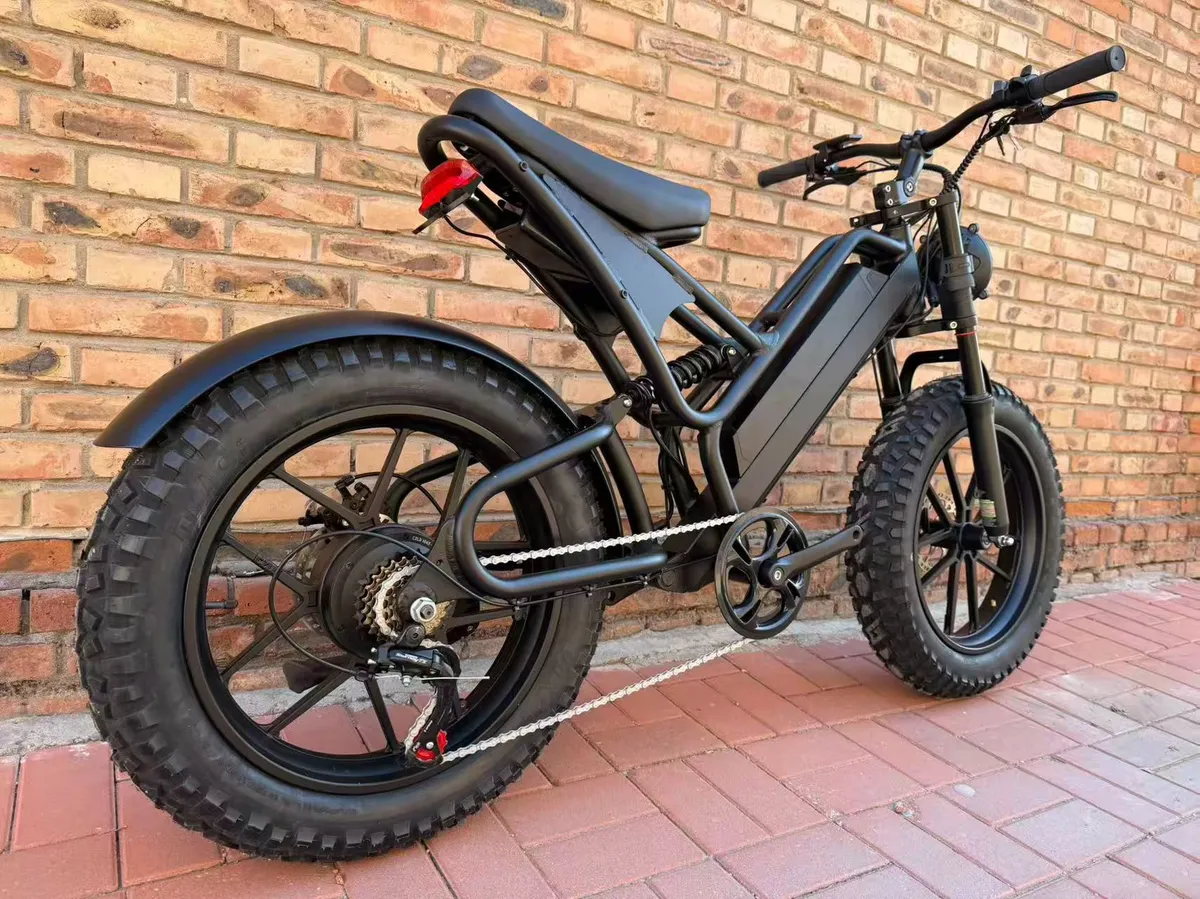
Why a Factory Writes a Certification Guide
We have exported bicycles from Tianjin for over a decade, and over the last two years the most frequent buyer questions are no longer price or lead time — they are electric bicycle certification requirements, especially for e-bikes entering the EU. This EN 15194 guide sets out the full CE certification for electric bikes in the EU as we run it on our own production lines, so your documents clear customs the first time.
What EN 15194 Covers
EN 15194 is the EU harmonized e-bike standard — the pedelec standard for EPAC bicycles: pedal assist, assist cut-off at 25 km/h and rated motor power not exceeding 250 W. Current version: 2017+A1:2023. Meet those three conditions and the complete bike takes the CE-marking self-declaration route under the Machinery Directive. A speed-pedelec assisting to 45 km/h is a light moped instead and requires vehicle type approval under Regulation 168/2013 — a completely different compliance path, and the first thing to confirm when selecting models.
Which Directives the CE Process Involves
CE certification for electric bikes in the EU is not one certificate but a compliance set. The Machinery Directive 2006/42/EC governs whole-bike safety and maps to EN 15194; the EMC Directive 2014/30/EU governs electrical interference, with its test clauses folded into EN 15194; mechanical parts reference the ISO 4210 bicycle safety standard; the lithium battery is tested to EN 50604-1; the charger to EN 60335-2-29. With these reports complete, the technical file satisfies every EU regulation presentation demand.
Battery Certification: UN 38.3 Transport Testing
Beyond EU standards, lithium batteries must pass UN 38.3 battery certification before transport: eight tests — altitude simulation, thermal, vibration, shock, external short circuit, crush, overcharge and forced discharge. Every battery model needs its report before air or sea freight, refreshed annually. Our battery packs ship with both UN 38.3 and EN 50604-1 reports, so customs clearance and retail onboarding never stall.
The Five-Step CE Process
Step one, confirm the applicable directives and e-bike standard. Step two, sample testing: the complete bike runs the full EN 15194 suite — brakes, frame fatigue, cut-off speed, water ingress, item by item. Step three, compile the technical file: drawings, BOM, risk assessment and test reports. Step four, sign the Declaration of Conformity. Step five, affix the CE mark to the frame. Self-declaration does not force a third-party laboratory, but EU customs spot-checks demand solid reports, so most brands commission an accredited independent lab — typically 3,000 to 8,000 US dollars per model for the full suite, over 4 to 8 weeks.
How We Test Complete Bikes
Our production lines break EN 15194 down into internal controls: the 25 km/h cut-off speed is verified bike by bike, with error held under 1 km/h; the 6 km/h walk-assist mode is tested separately; frame fatigue runs 100,000 cycles per ISO 4210; the battery bay undergoes rain and immersion tests; radiated emissions are spot-checked in a shielded chamber. Every quarter we send complete bikes to an independent laboratory for retesting, and buyers can review the reports at any time.
Common Non-Conformities and Fixes
Four failure types dominate third-party testing. Radiated emissions over the limit — usually traced to controller wiring; ferrite rings and rerouting solve it. Brake lever dimensions outside ISO 4210 — replace the lever assembly. Reflector position or count insufficient — re-place per the standard. Incomplete manual languages — the EU requires the manual in the destination country's official language, and this is the most overlooked item. We pre-check all of them before shipment so buyers never pay for a second test round.
EU Regulatory Updates for 2026
Two EU regulation changes to watch. The Machinery Regulation 2023/1230 replaces the current Machinery Directive from January 2027, and technical files must then be rebuilt under the new act. The General Product Safety Regulation 2023/988, in force since December 2024, requires an authorized representative inside the EU, with responsible-person details on the manual and labels. Buyers planning 2027 shipments should prepare documents under the new regulation now, at order placement.
A Verification Checklist for Buyers
When a supplier hands over documents, check four items first: the original Declaration of Conformity, the EN 15194 report (version must be 2017+A1:2023), the battery's UN 38.3 and EN 50604-1 reports, and the charger's EN 60335-2-29 report. Then verify three details: the CE mark printed on the frame, the manual's destination-language coverage, and the EU responsible person named on the nameplate. Every EU-bound bike we ship carries a full compliance-file copy in the box. Send us your certification questions and target market, and we will return a market-specific gap list.